Location

Saint-Louis, a living location

Listed as a UNESCO World Heritage Site, Saint-Louis is more than a backdrop: it is a source of inspiration where the colonial past converses with the present, between river, light and wide open spaces.

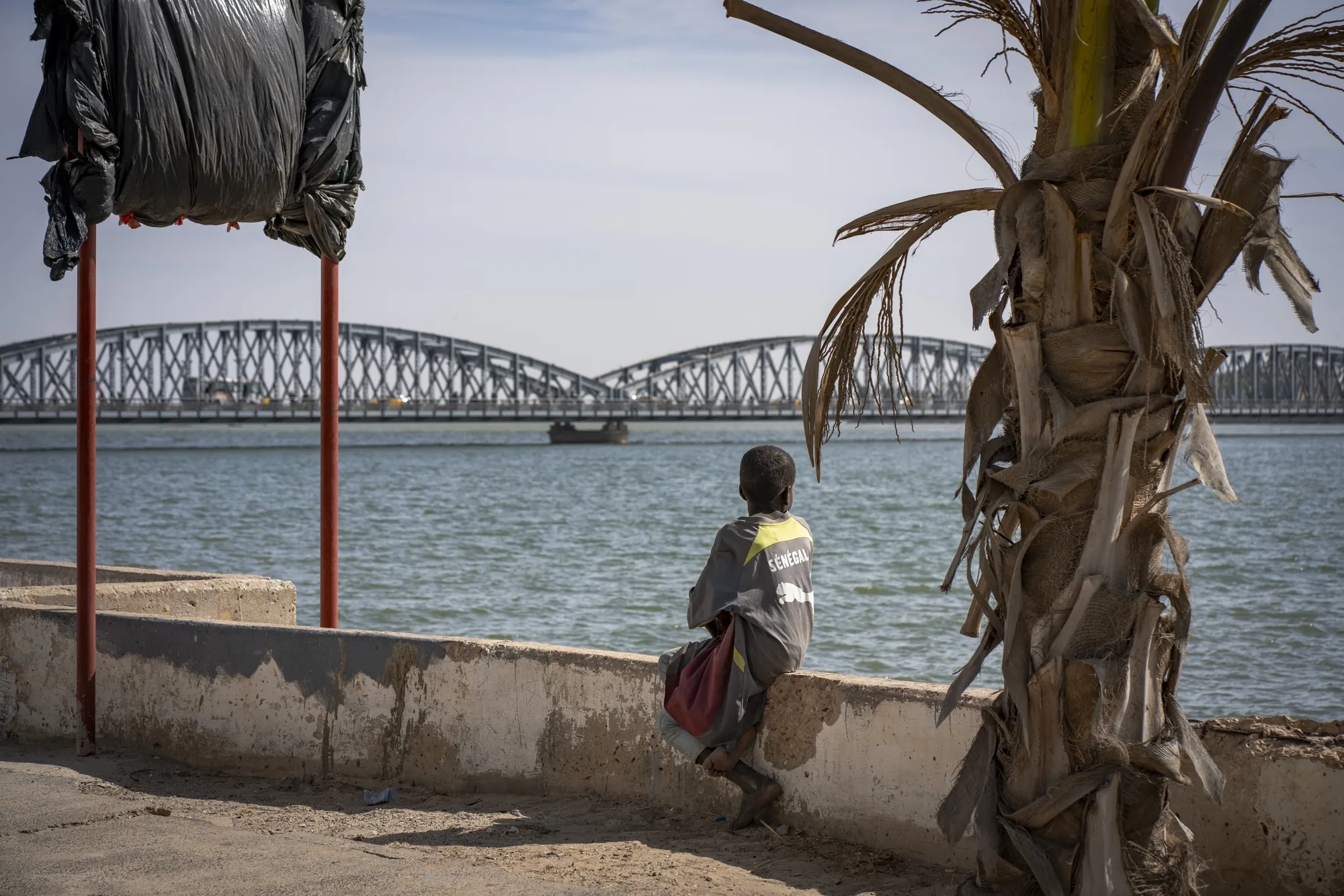
A child sitting by the Senegal River, facing the Faidherbe Bridge in Saint-Louis

What if your next film came to life in Saint-Louis? Here, every stone, every tree, every reflection on the water seems to tell a story. Several films have already been shot here, including Jom, Un amour d'enfant, Khar Yalla and Retour au cinéma Vox. The city also hosts regular film and cultural events, such as the Saint-Louis Doc's Festival, the international jazz festival and the public short film festival.

A unique architectural heritage

The Faidherbe Bridge, 507 metres long with seven arches including a swinging span, opened in 1897 and renovated in 2011, structures the city and its river. Around it, the remnants of colonial governance, streets with evocative names such as Repentigny, Blanchot or Pierre Loti, place Faidherbe, the Rognât barracks and the historic districts of Sindoné and Lodo form an open-air set.
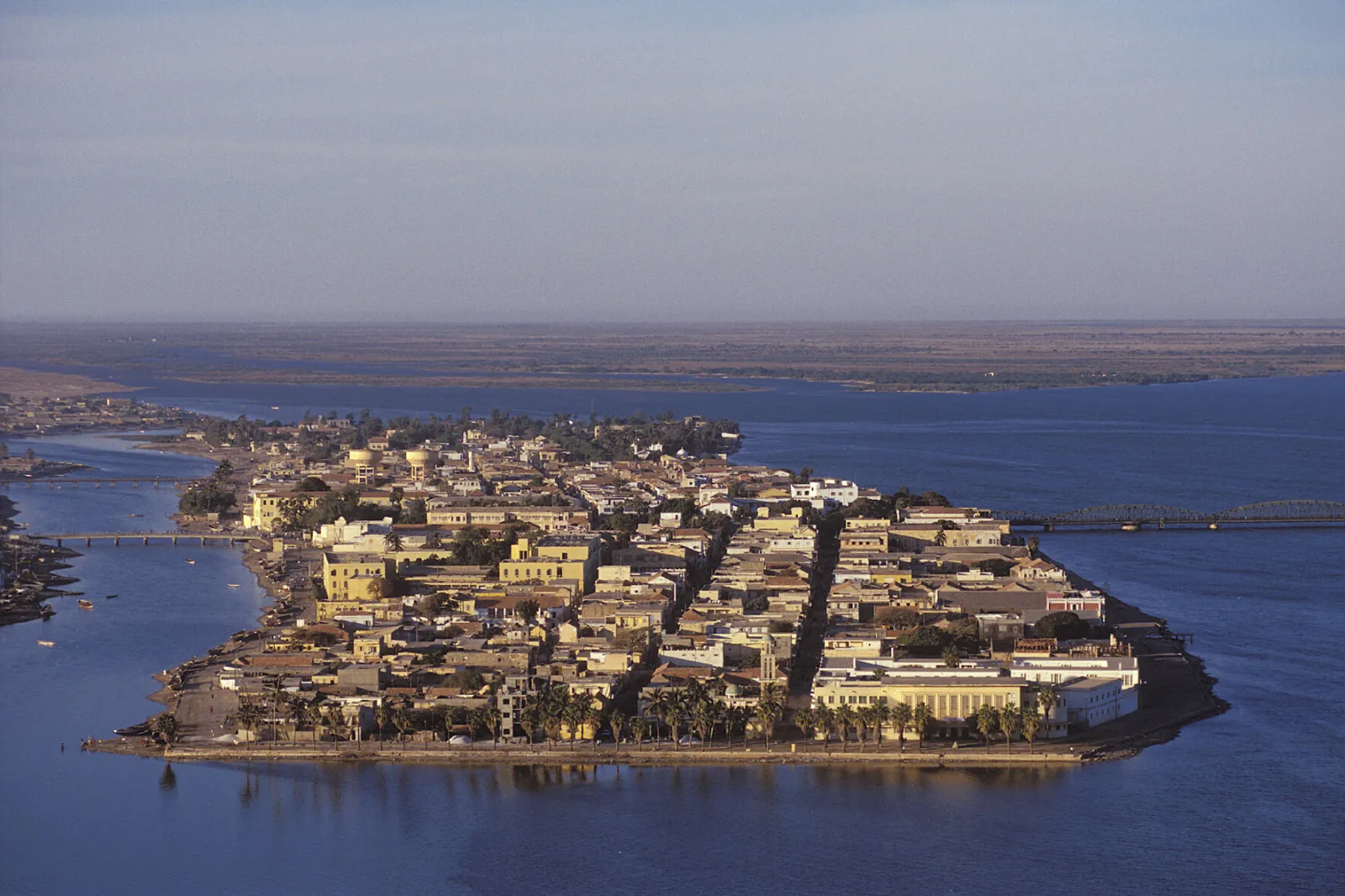
View of Saint-Louis island, a heritage location
Saint-Louis island, a UNESCO World Heritage Site.

A museum-city of a thousand faces

Saint-Louis Cathedral, built in 1828 and considered the first church in West Africa, the Frères Ploërmel school, the former Conseil général building and the Sisters of Saint-Joseph de Cluny house all bear witness to a dense architectural history. The Ameth Fall high school, the Senegal research and documentation centre and the former seaplane base complete this heritage, while the Guet Ndar district, known for its popular boat races, keeps alive the memory of the island's fishermen.

Between river, light and wide open spaces

The island's quays, built from 1830, the former warehouses and trading houses that came from Bordeaux and Marseille, and the twenty-tonne steam crane recall the city's trading past. The multi-storey houses with wooden and iron balconies, the inner courtyards and the Portuguese-style houses offer a range of indoor and outdoor locations.

A few kilometres away, wild beaches, the Gandiole mangroves, dunes and sandbanks widen the possibilities further. The Djoudj bird sanctuary, the world's third largest ornithological reserve, completes this exceptional natural landscape.

More than a backdrop, Ndar is a city that looks at the camera, and answers it.

Looking for a living location for your next shoot? Set your sights on Saint-Louis.

Explore the location catalogue Contact us